
fumetto
Active member
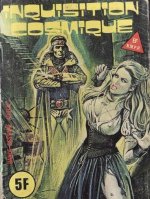
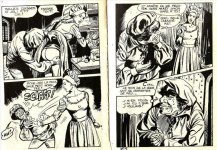
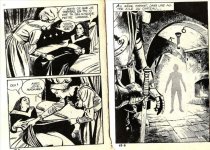
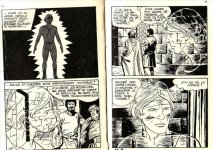
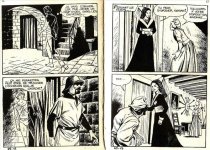
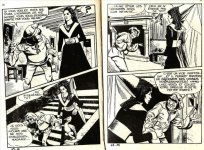
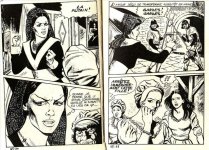
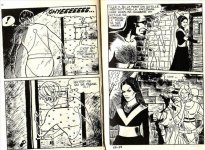
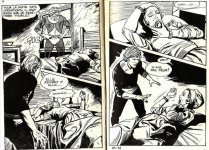
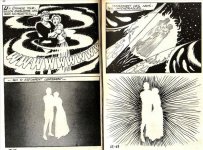
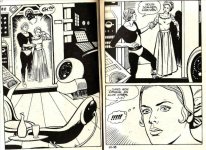
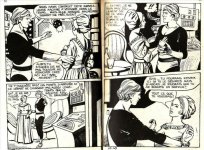
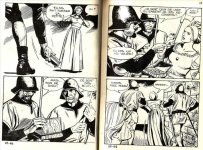
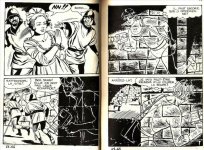
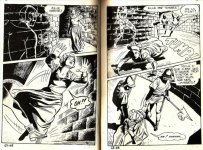
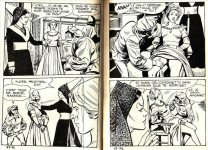
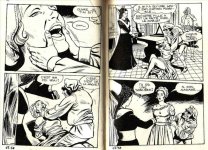
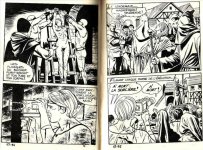
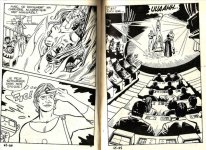
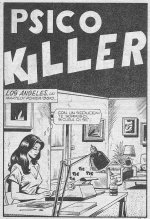
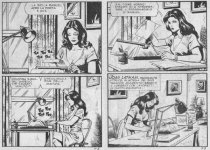
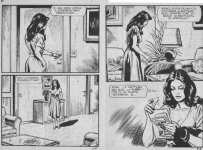
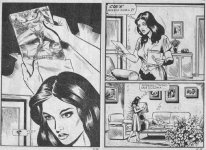
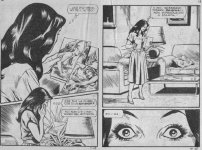
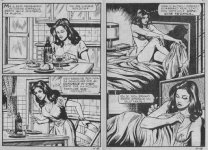
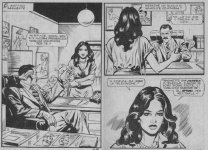
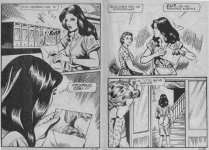
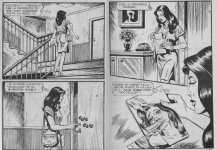
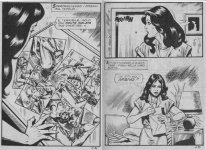
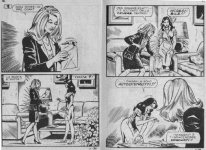
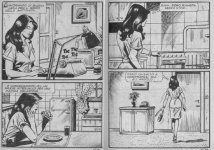
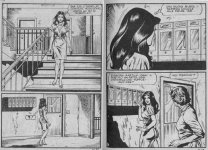
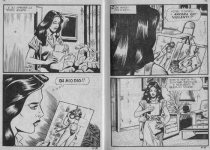
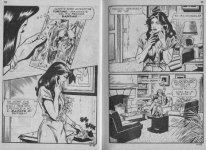
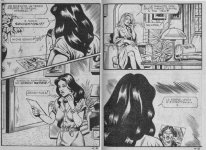
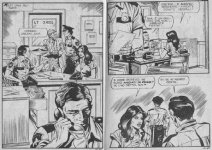
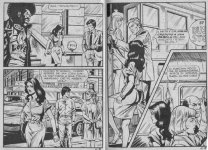
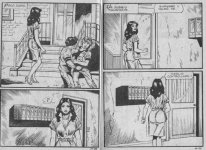
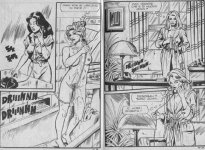
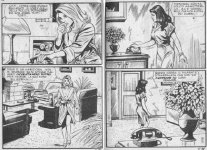
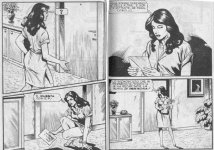
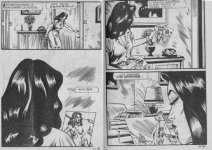
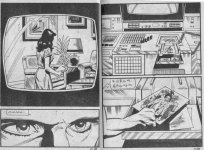
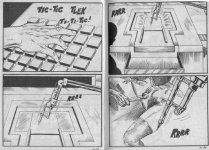
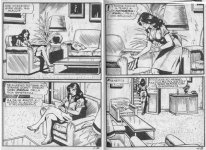
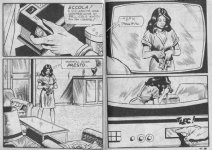
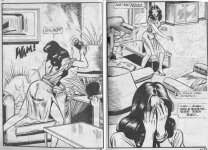
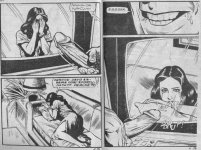
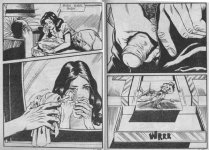
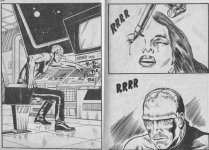
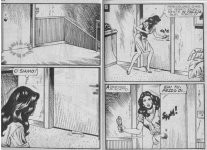
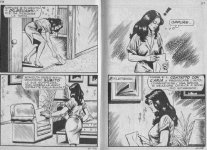
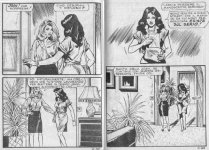
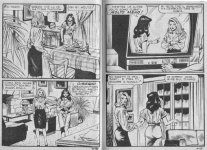
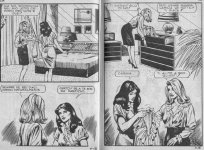
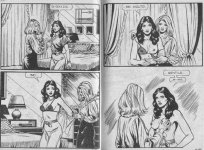
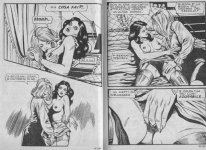
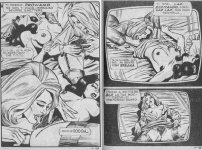
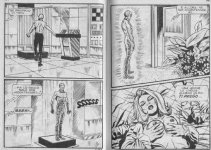
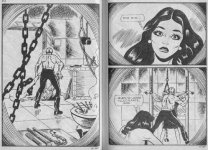
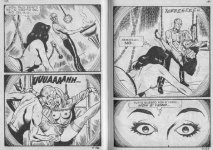
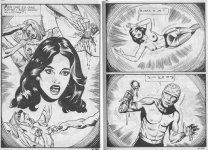
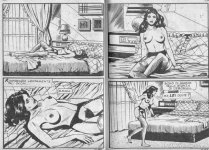
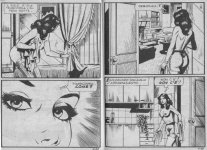
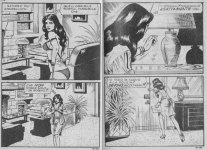
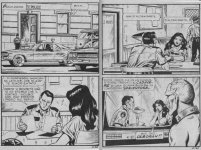
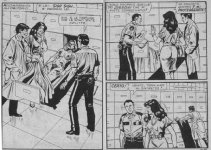
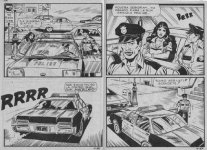
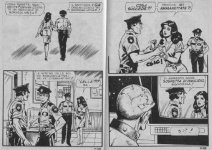
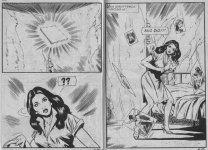
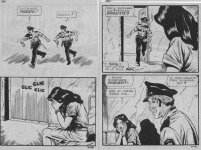
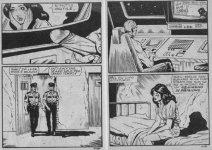
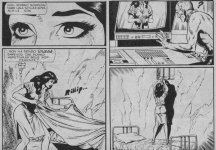
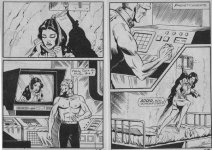
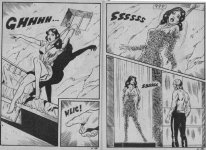
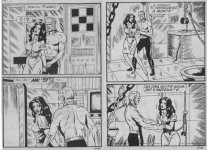
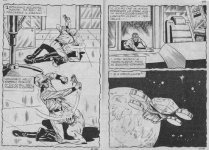
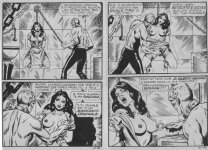
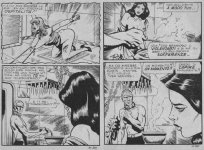
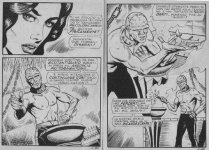
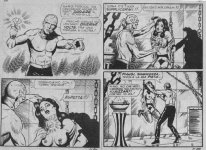
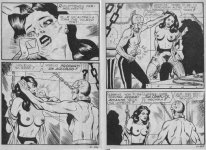
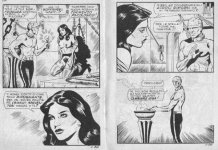
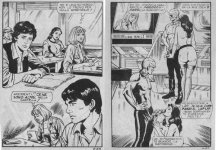
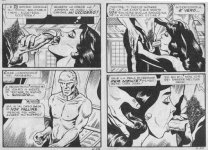
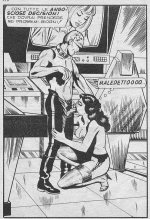
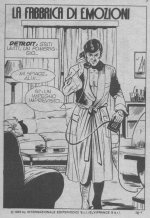
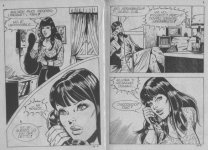
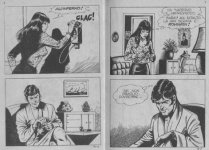
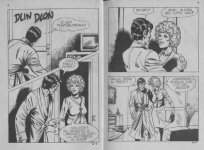
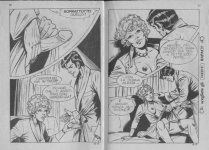
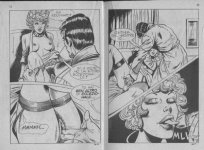
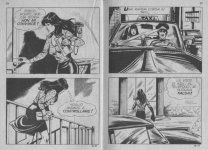
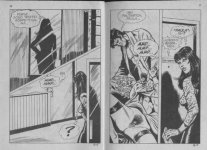
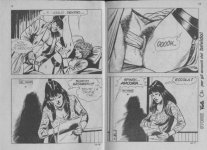
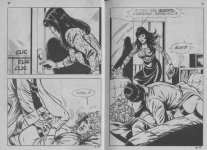
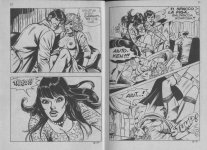
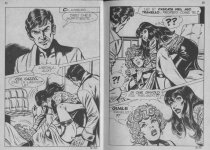
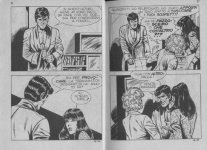
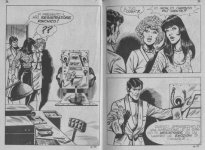
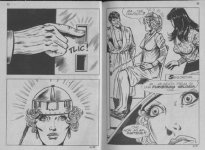
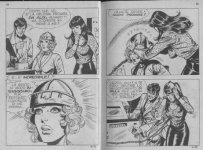
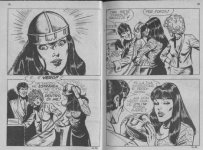
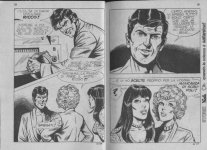
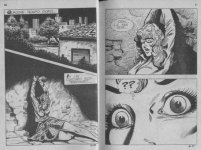
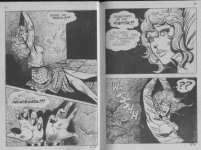
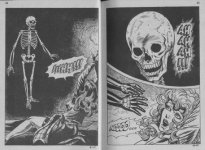
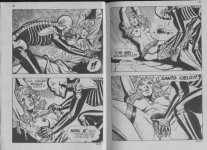
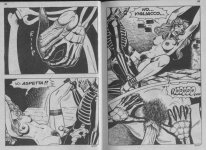
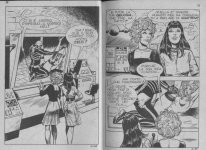
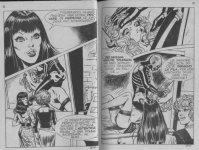
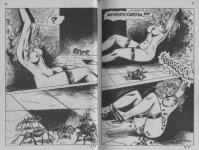
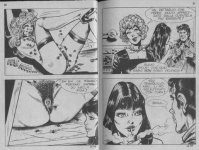
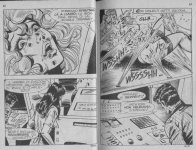
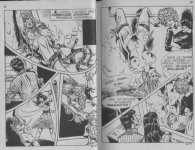
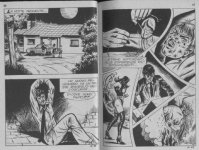
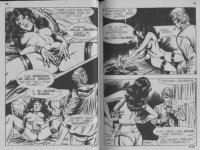
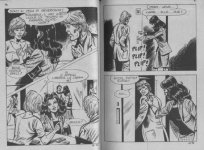
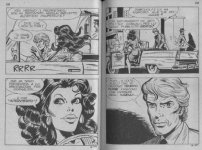
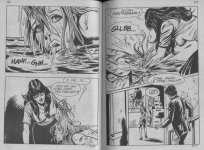
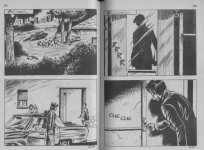
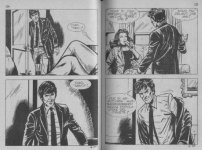
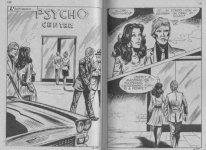
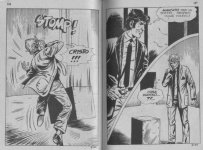
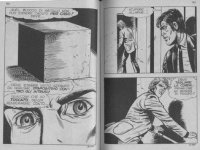
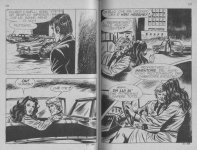
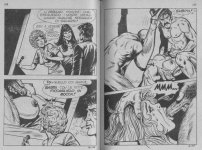
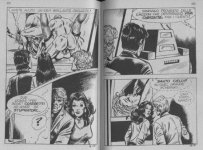
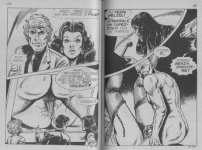
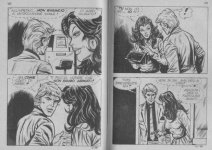
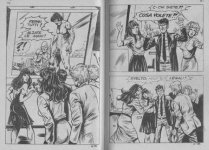
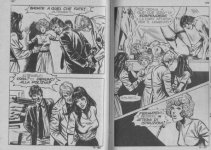
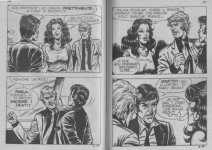
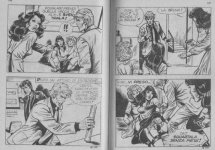
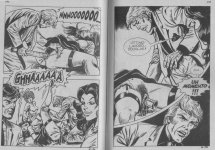
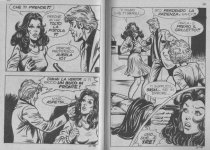
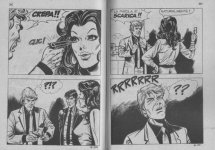
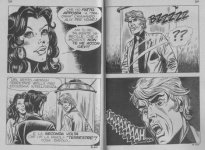
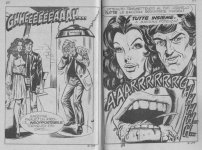
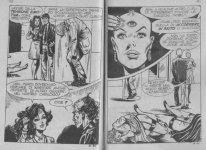
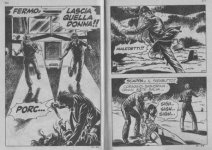
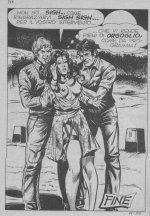
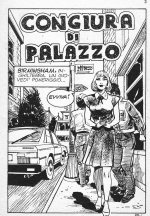
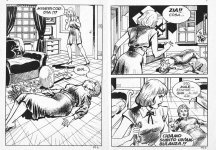
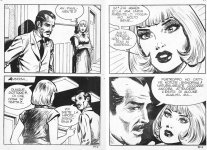
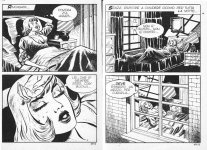
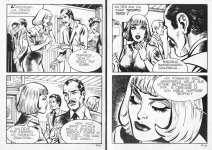
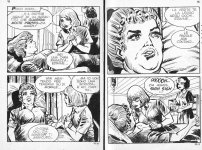
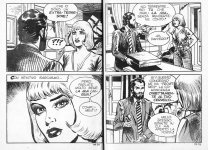
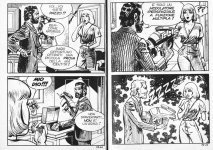
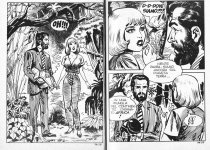
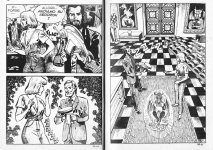
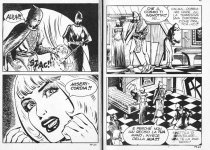
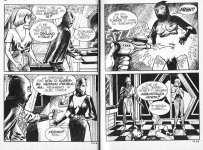
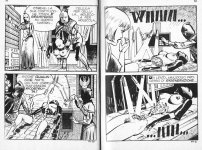
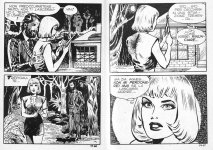
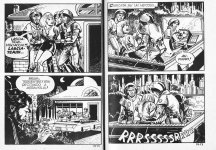
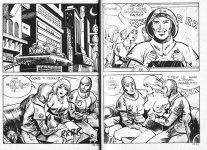
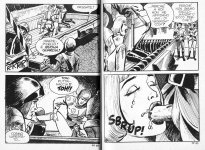
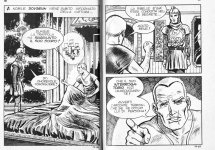
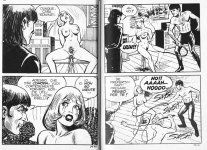
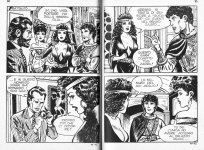
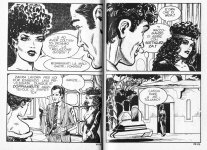
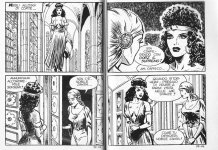
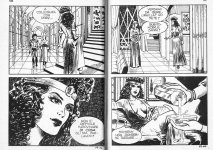
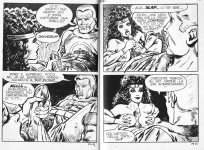
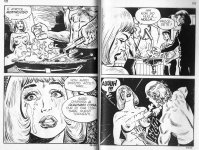
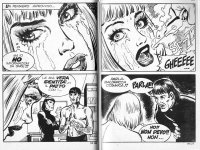
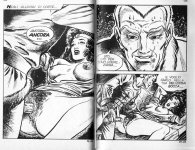
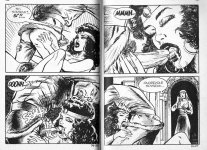
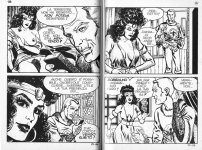
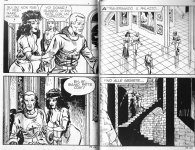
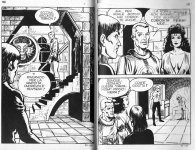
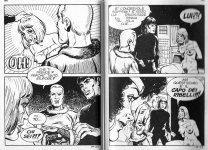
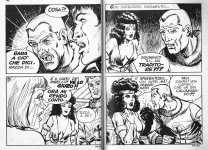
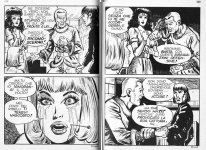
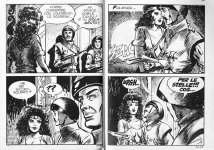
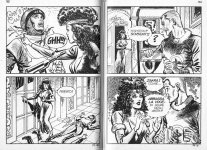
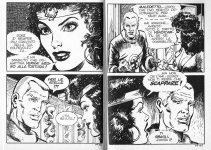
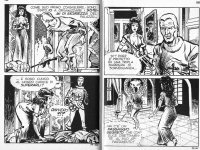
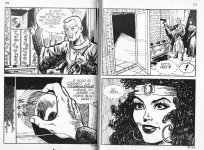
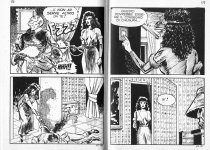
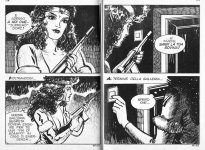
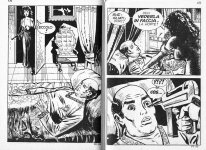
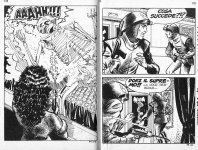
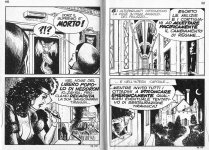
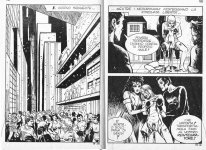
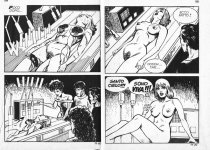
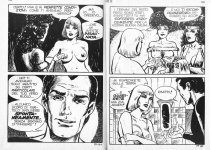
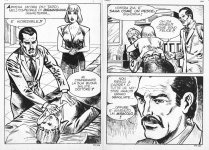
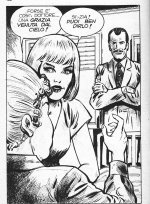
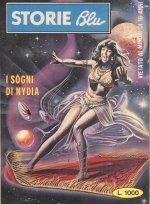
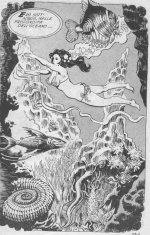
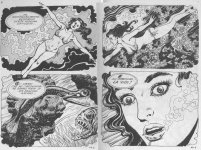
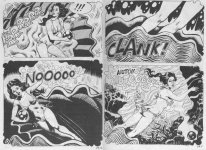
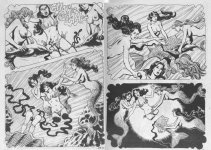
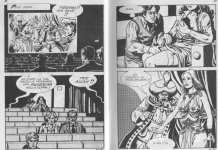
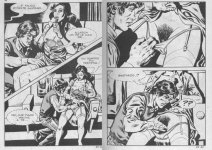
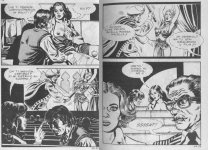
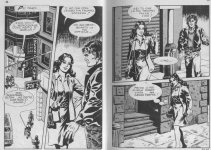
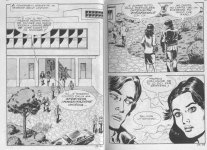
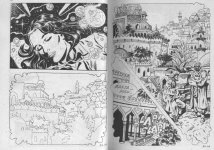
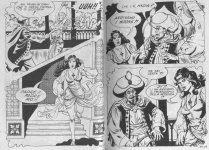
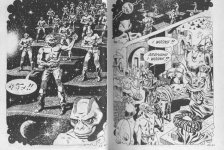
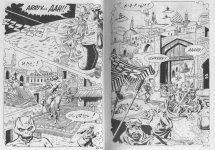
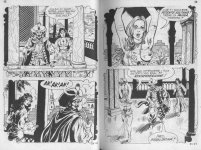
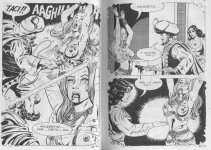
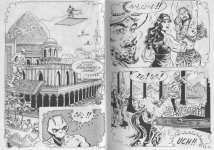
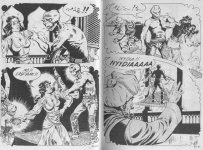
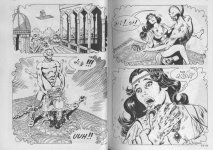
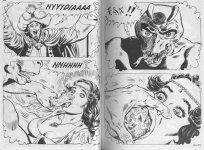
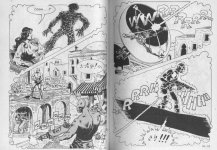
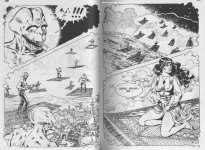
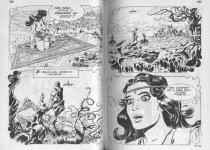
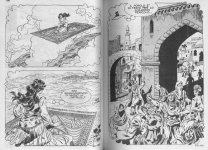
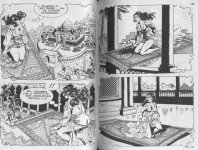
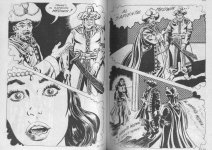
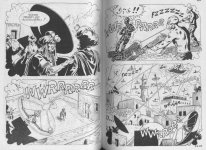
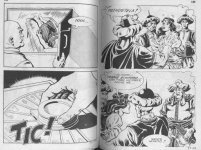
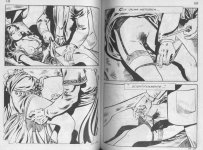
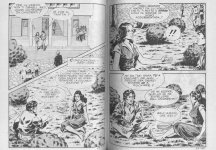
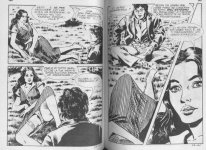
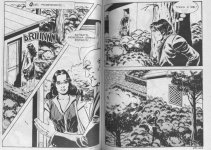
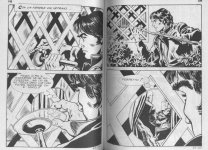
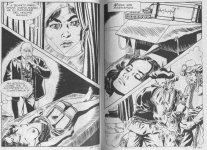
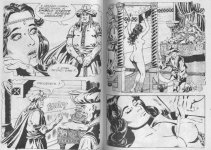
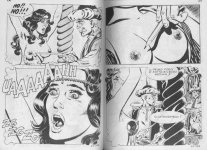
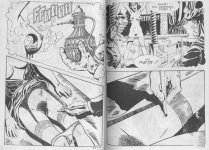
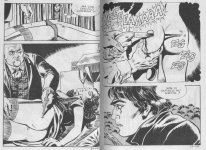
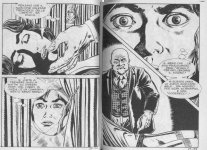
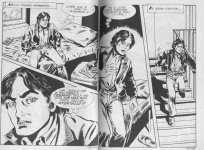
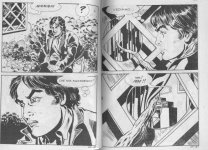
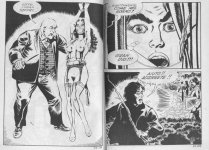
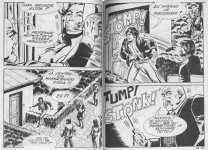
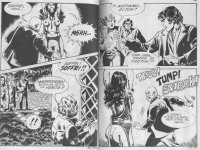
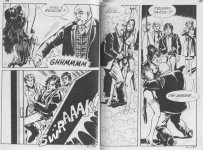
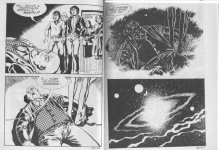
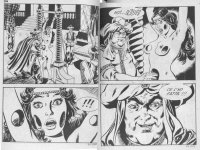
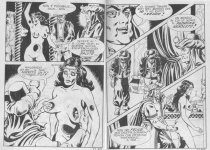
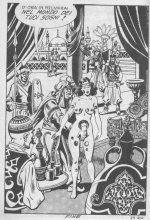
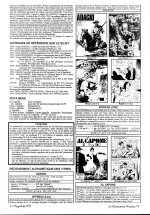
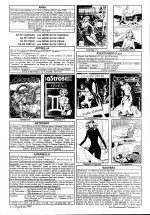
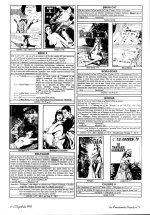
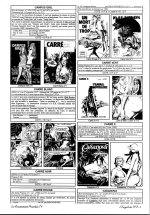
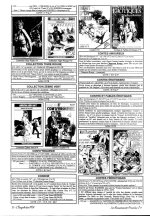
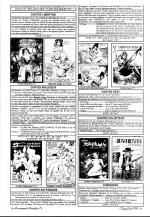
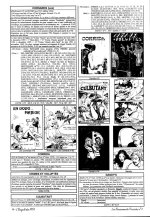
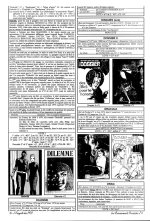
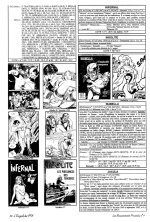
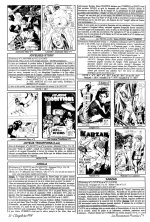
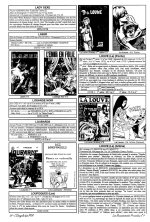
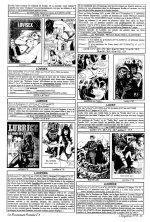
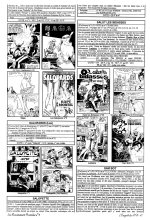
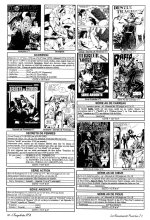
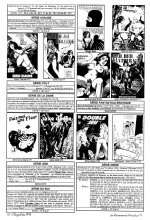
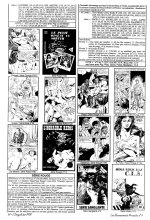
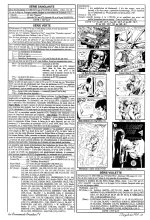
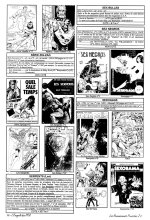
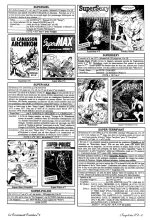
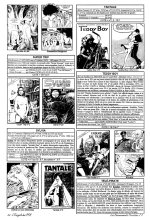
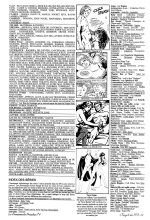
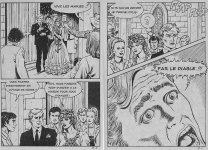
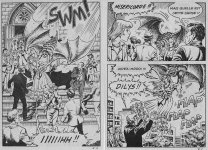
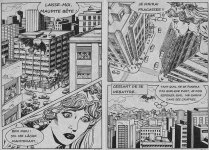
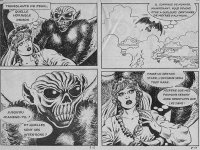
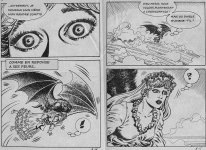
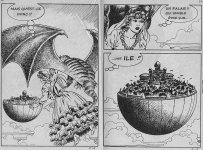
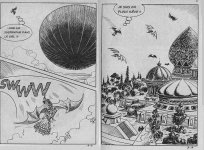
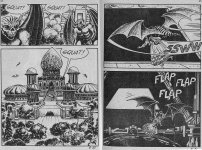
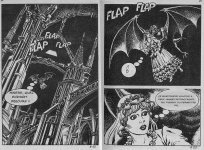
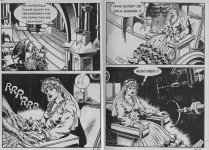
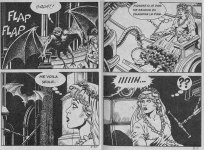
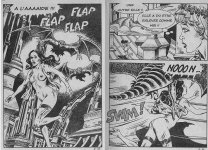
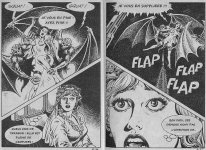
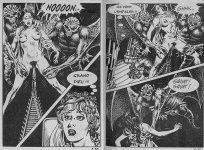
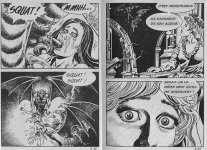
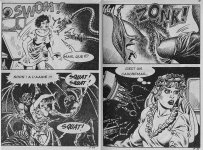
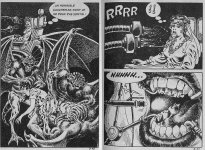
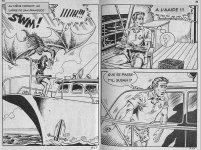
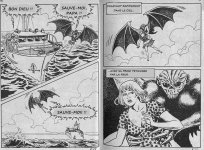
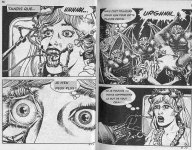
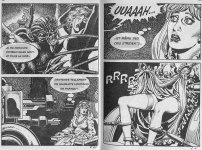
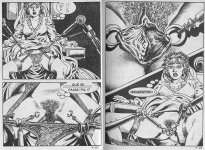
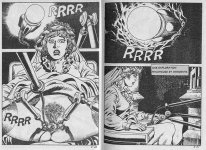
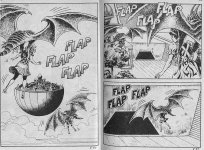
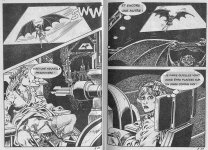
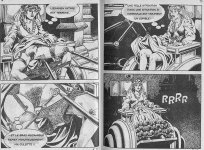
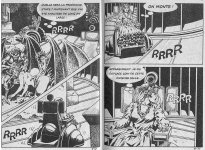
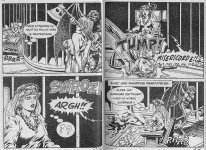
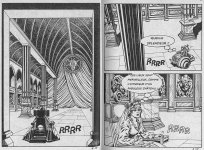
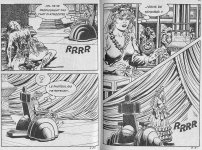
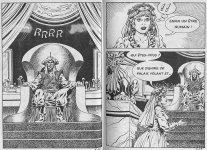
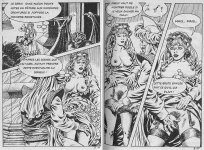
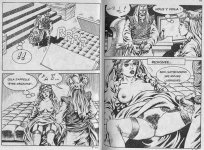
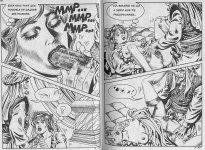
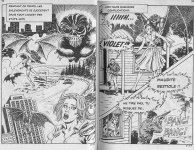
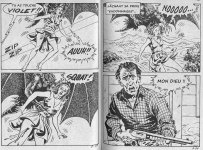
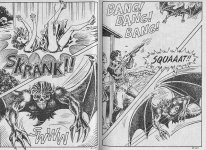
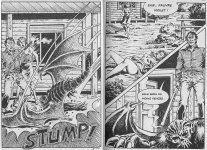
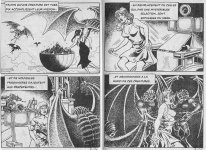
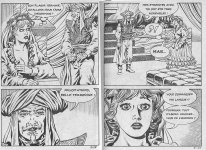
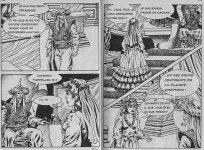
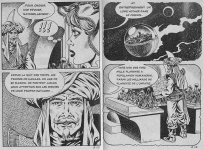
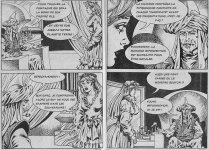
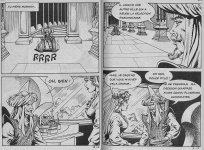
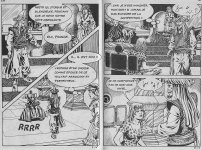
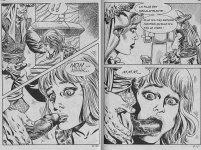
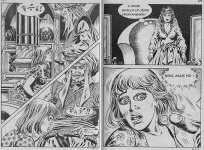
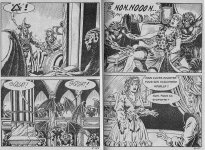
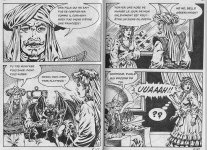
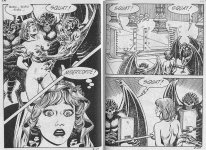
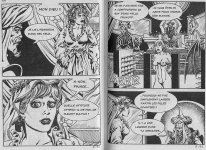
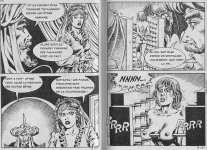
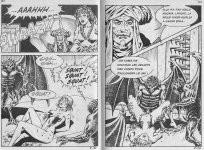
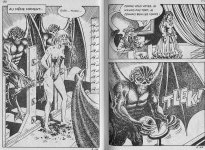
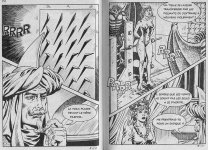
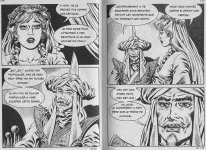
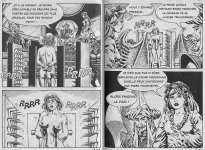
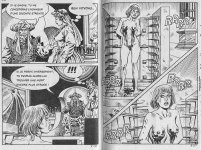
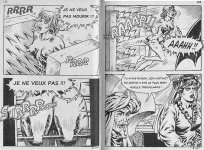
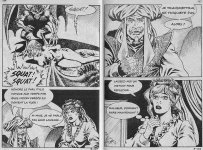
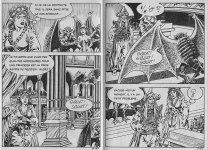
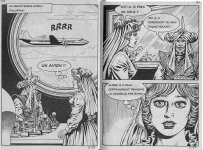
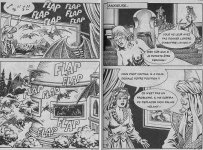
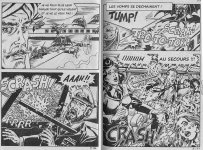
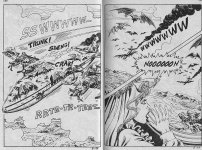
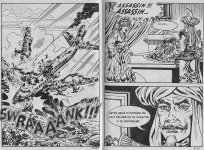
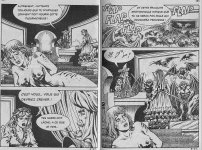
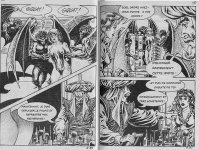
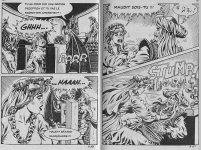
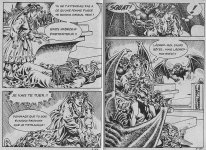
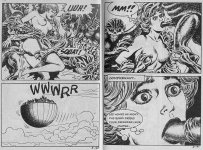
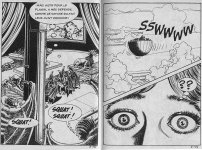
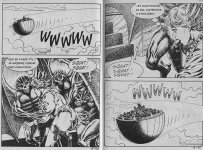
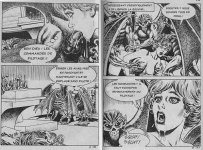
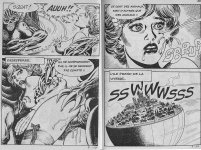
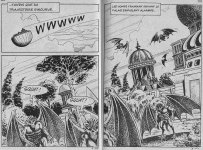
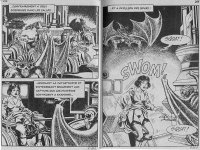
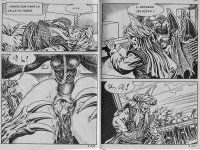
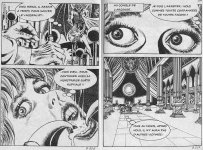
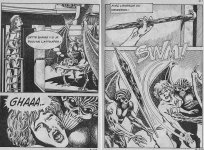
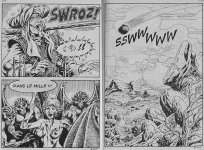
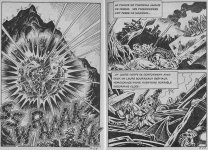
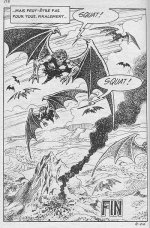
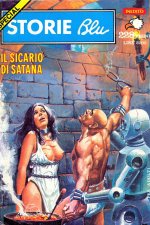
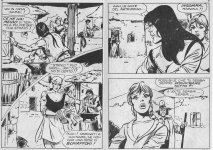
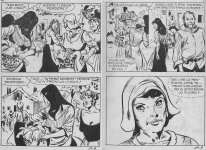
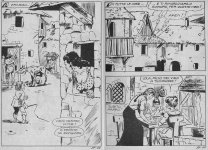
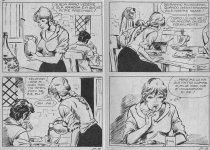
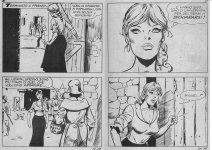
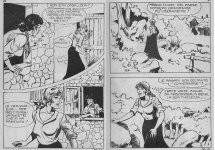
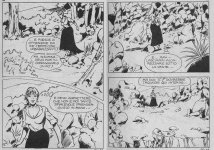
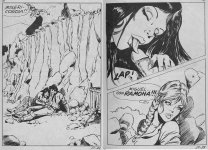
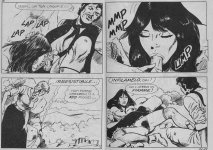
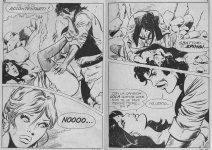
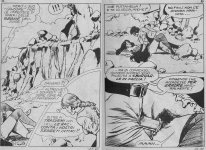
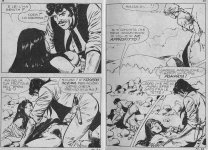
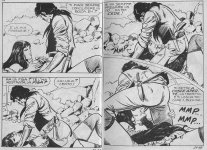
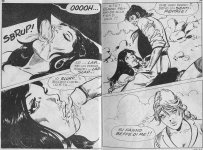
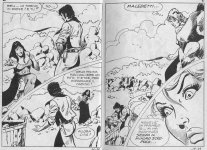
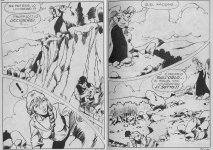
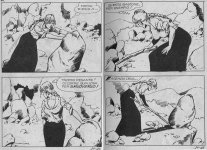
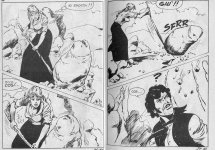
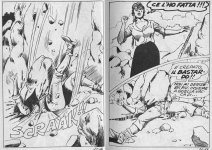
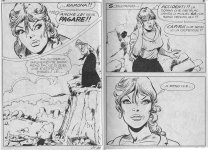
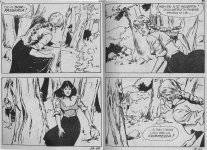
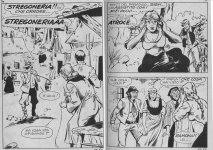
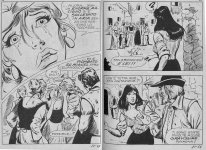
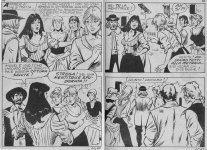
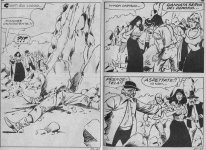
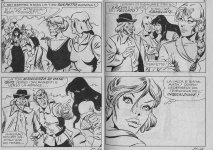
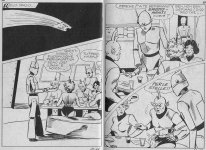
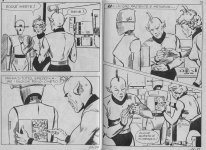
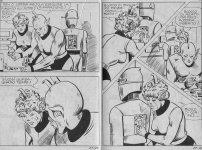
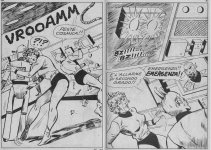
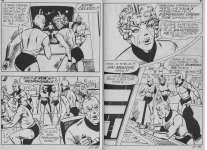
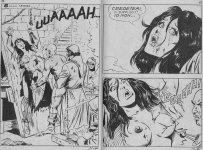
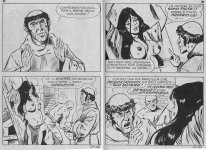
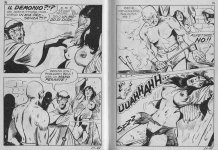
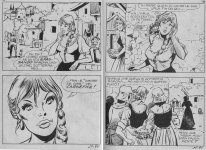
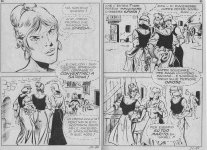
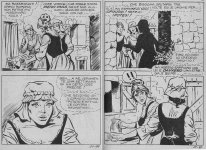
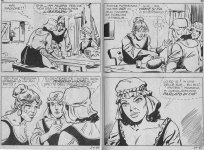
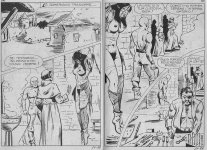
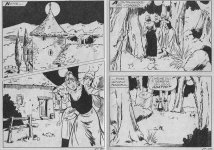
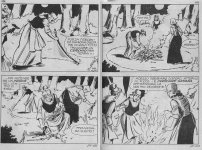
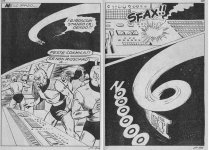
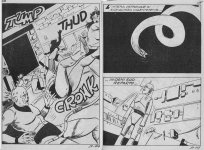
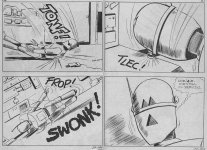
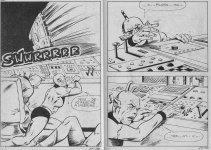
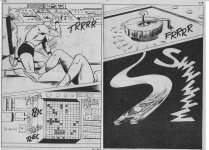
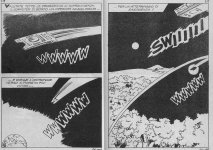
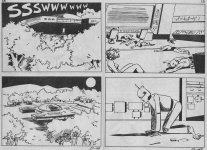
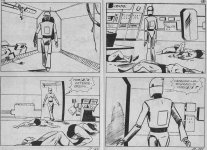
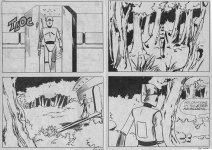
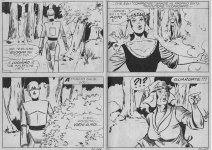
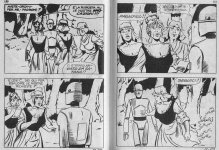
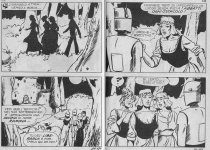
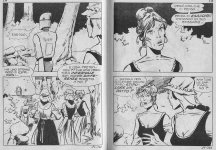
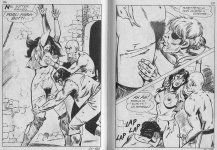
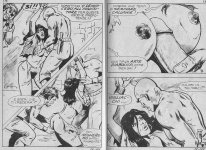
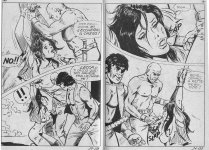
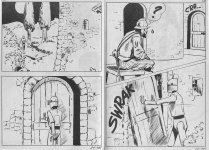
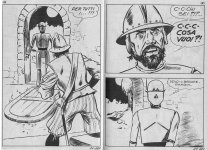
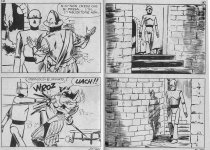
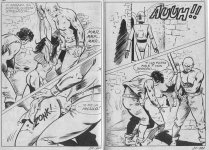
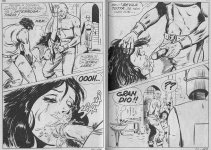
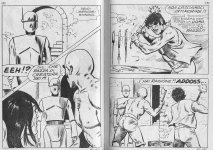
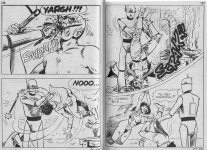
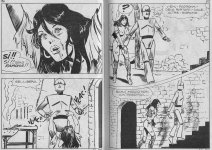
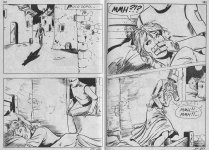
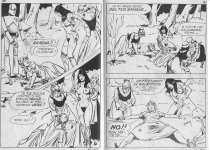
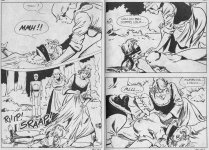
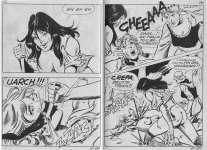
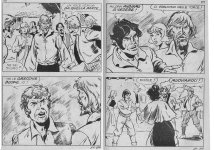
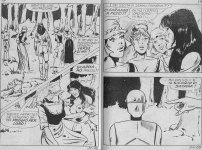
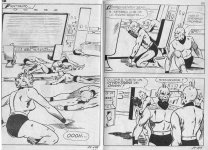
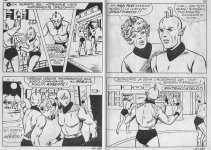
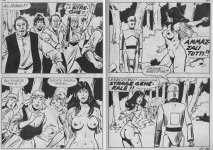
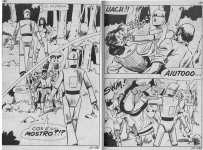
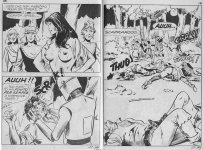
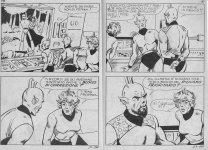
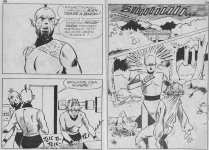
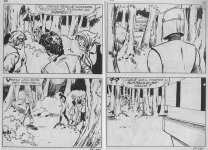
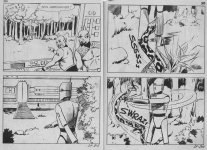
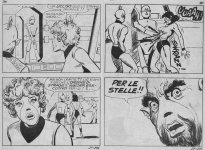
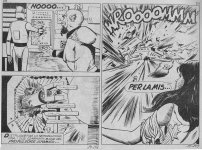
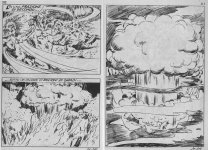
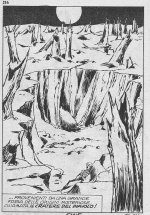
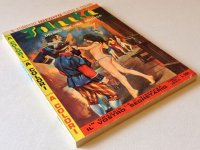
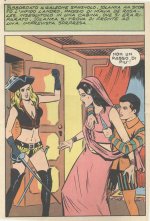
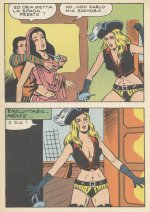
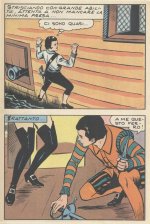
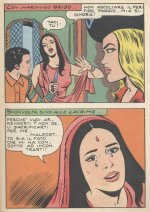
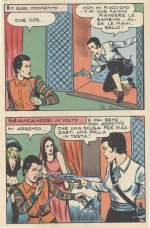
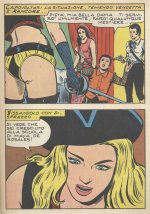
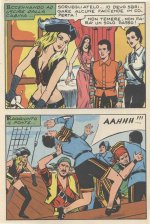
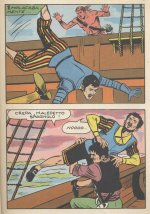
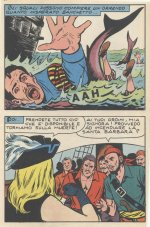
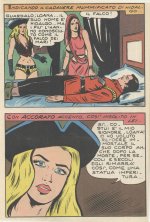
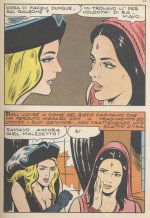
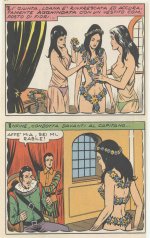
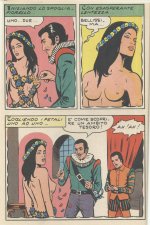
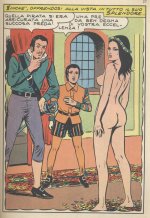
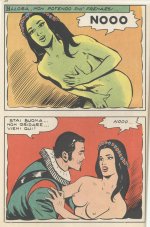
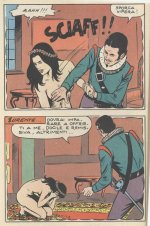
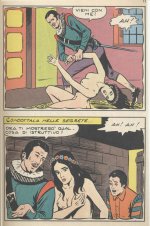
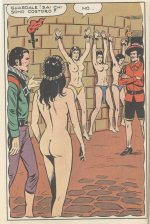
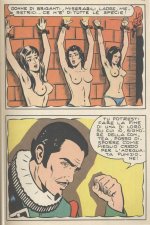
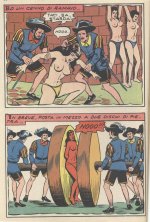
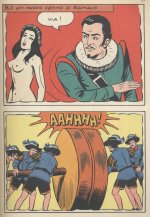
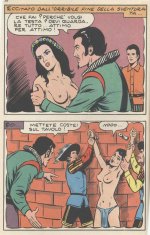
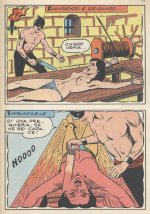
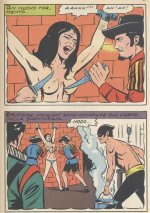
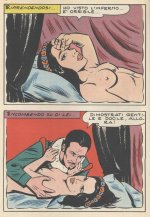
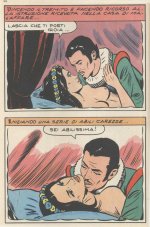
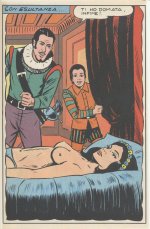
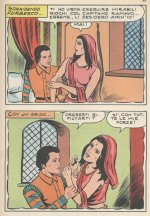
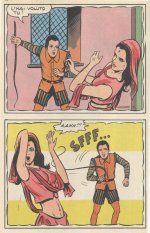
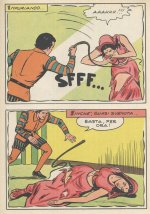
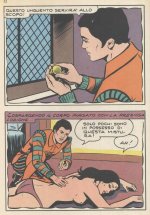
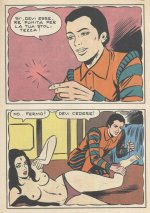
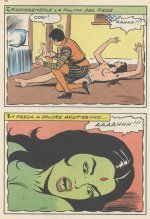
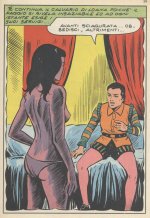
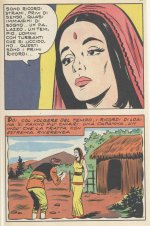
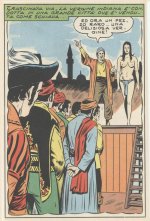
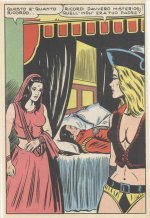
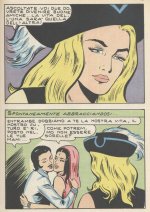
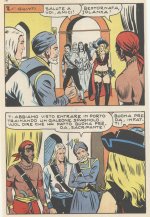
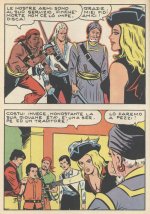
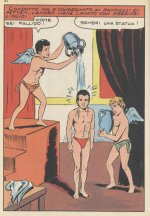
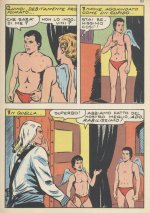
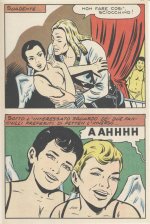
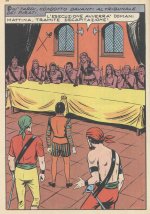
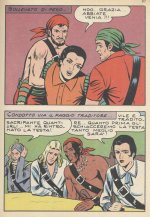
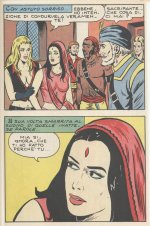
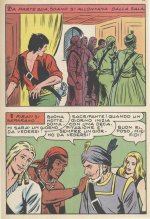
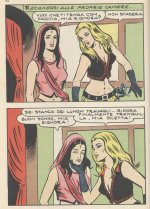
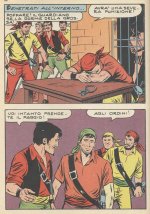
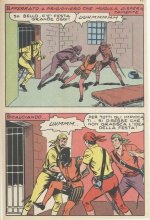
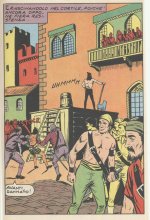
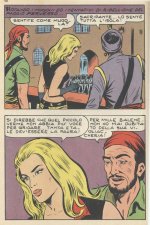
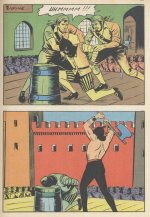
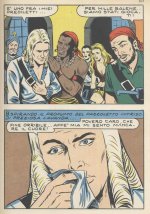
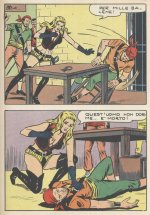
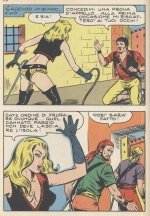
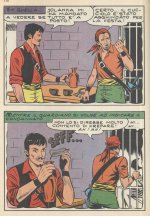
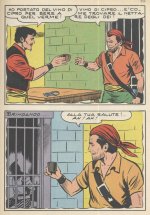
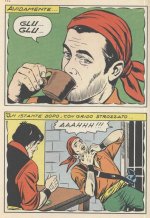
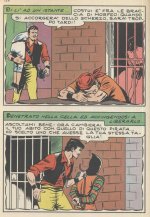
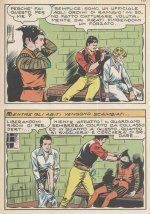
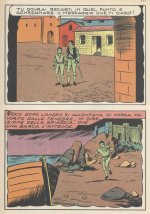
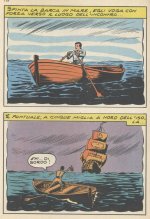
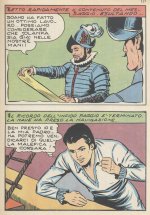
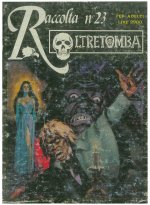
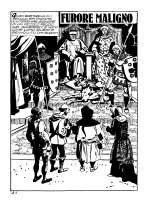
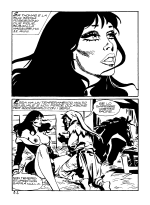
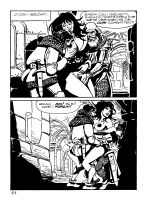
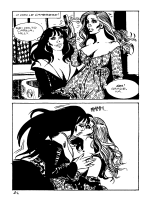
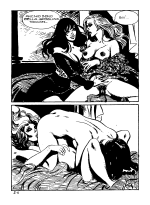
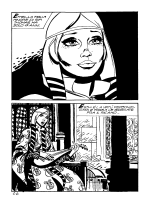
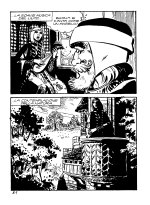
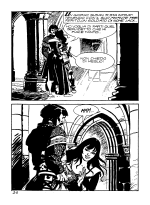
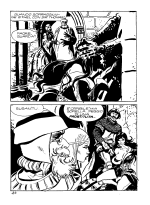
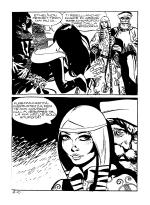
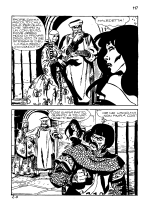
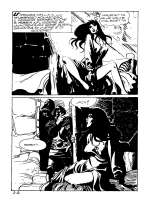
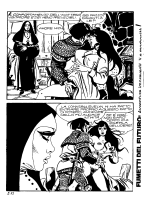
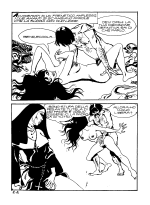
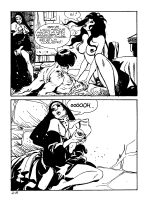
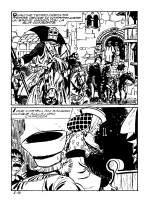
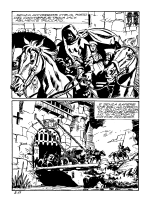
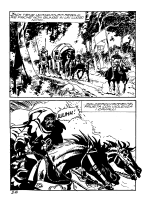
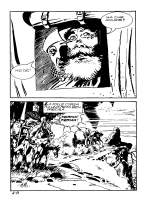
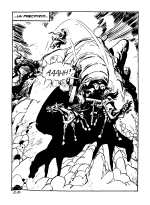
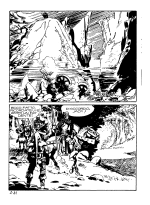
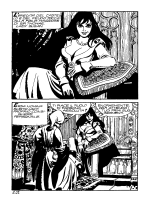
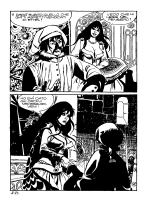
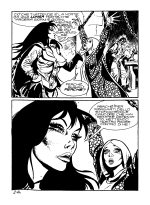
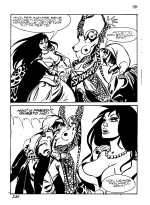
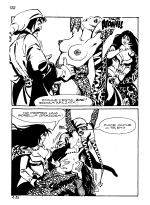
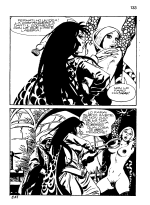
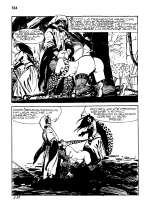
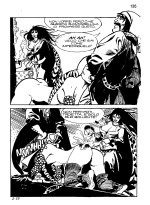
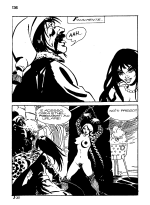
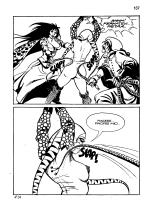
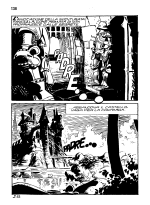
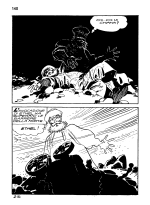
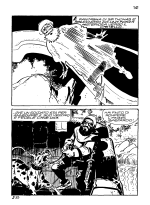
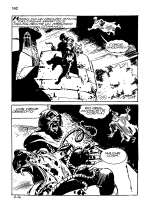
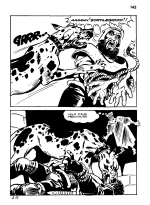
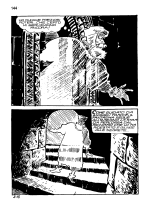
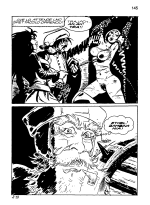
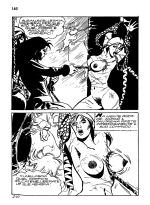
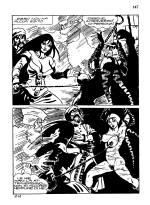
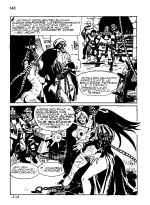
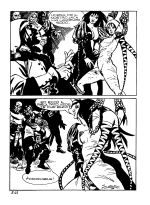
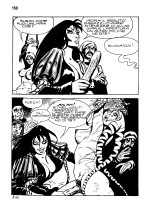
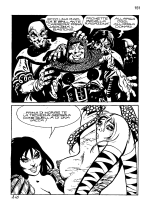
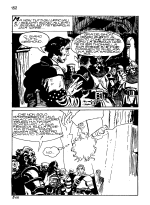
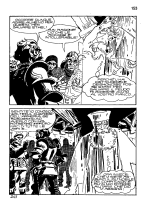
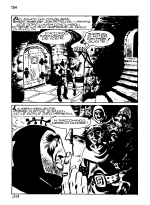
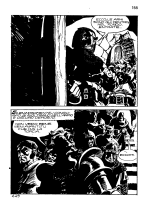
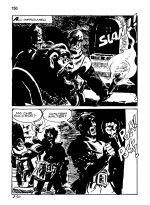
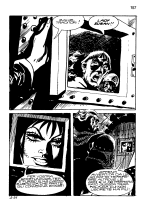
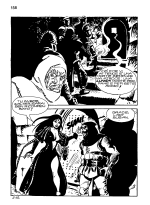
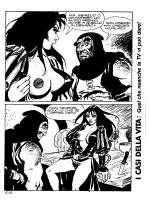
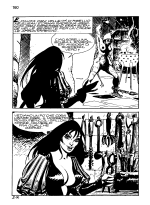
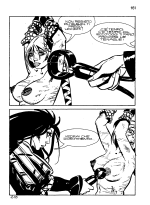
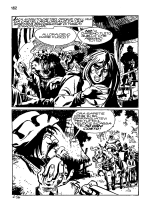
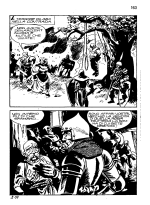
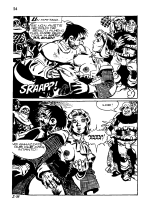
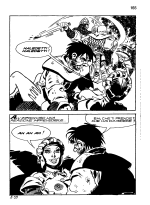
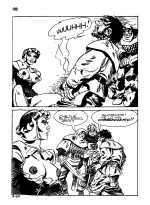
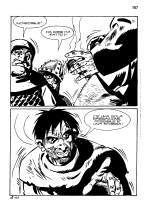
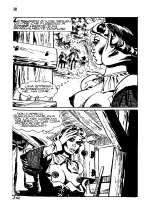
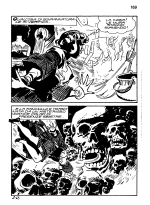
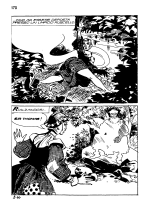
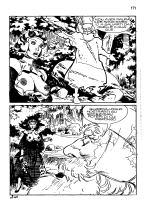
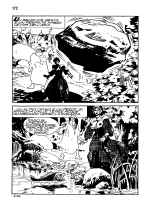
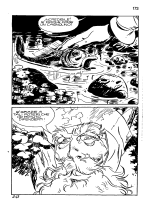
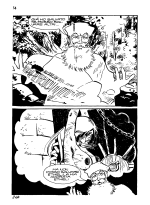
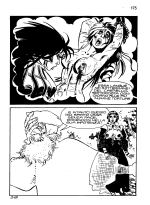
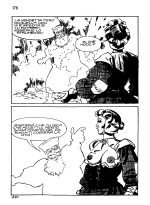
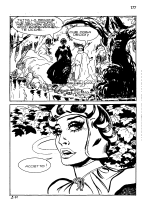
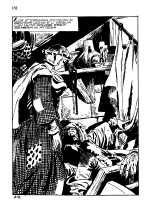
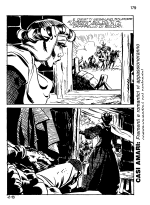
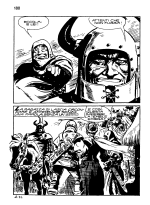
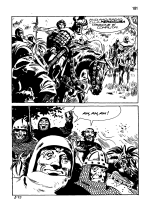
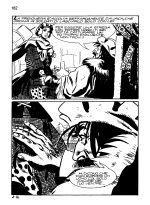
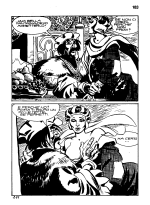
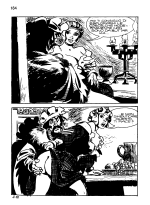
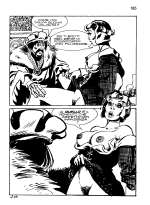
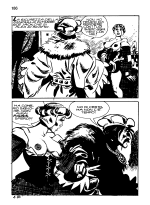
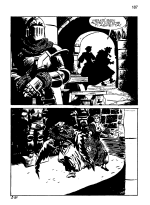
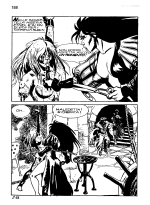
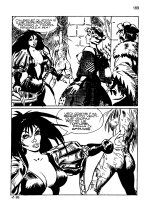
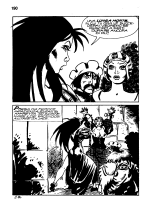
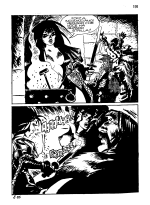
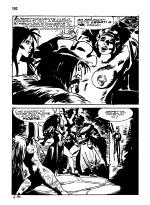
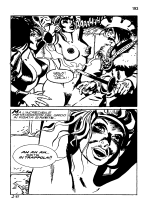
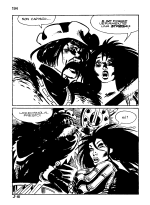
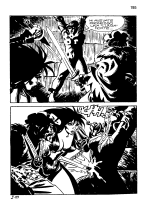
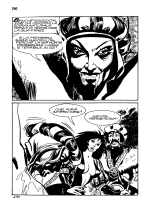
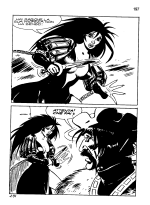
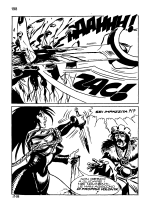
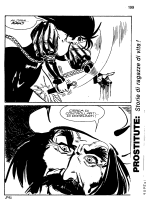
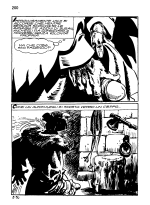
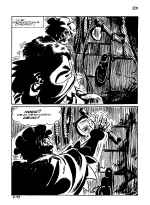
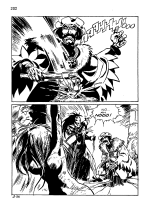
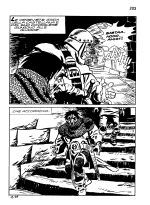
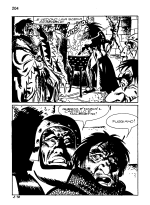
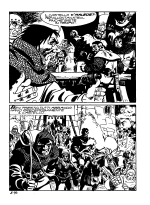
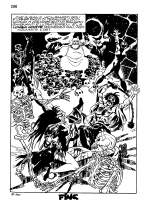
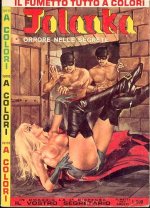
In the early 1970s, Italy experienced an unexpected boom in publishing—a wave of small-format adult comic books that swept across newsstands nationwide. These pocket-sized publications explored provocative themes such as eroticism, horror, crime, fantasy, history, and twisted fairy tales. Each title released one or two new issues every month, reaching staggering print runs of millions. Known locally as “sexy fumetti”—with fumetti meaning “comics”—these works were celebrated for their vividly painted covers, crafted by Italy’s most skilled and classically trained illustrators. The artwork was bold, transgressive, and far more daring than any other branch of pulp illustration. Though the craze began to fade through the 1980s and ultimately vanished by 1993, the legacy of these comics endures—vibrant relics of an audacious artistic moment in Italian pop culture..
Among the most renowned figures in fumetti art are Emanuele Taglietti, Alessandro Biffignandi, Pino D’Angelico, Enzo Sciotti, Roberto Molino, Leone Frollo, Xavier Musquera..... . Despite their remarkable talent, these artists rarely signed their work. Both cover and interior illustrators chose anonymity, distancing themselves from a genre that, while immensely popular, was also steeped in controversy., cause of pornograpic and sadistic stories. As a result, attributing individual pieces has largely depended on the keen eyes of collectors who can recognize each artist’s distinctive style and technique. In recent years, some surviving artists have stepped forward to confirm authorship, helping to preserve and clarify the visual legacy of Italy’s boldest comic era.
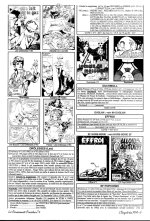
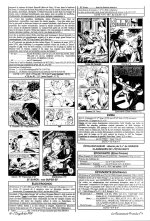
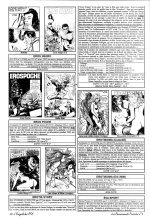
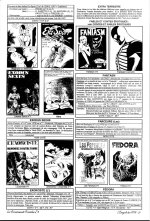
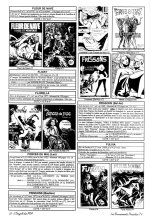
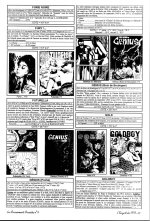
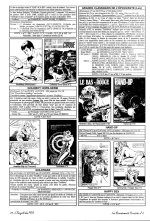
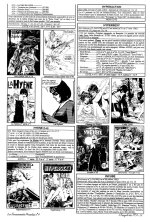
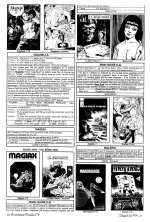
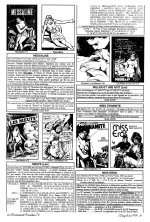
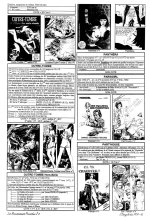
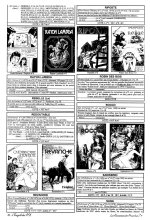
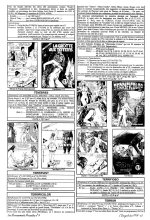
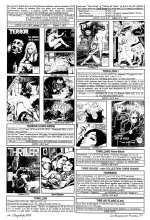
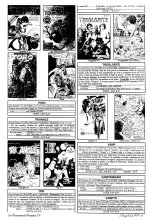
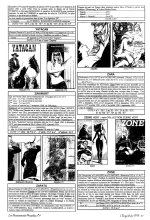
I start with some covers.













Among the most renowned figures in fumetti art are Emanuele Taglietti, Alessandro Biffignandi, Pino D’Angelico, Enzo Sciotti, Roberto Molino, Leone Frollo, Xavier Musquera..... . Despite their remarkable talent, these artists rarely signed their work. Both cover and interior illustrators chose anonymity, distancing themselves from a genre that, while immensely popular, was also steeped in controversy., cause of pornograpic and sadistic stories. As a result, attributing individual pieces has largely depended on the keen eyes of collectors who can recognize each artist’s distinctive style and technique. In recent years, some surviving artists have stepped forward to confirm authorship, helping to preserve and clarify the visual legacy of Italy’s boldest comic era.
I start with some covers.

 In the early 1970s, Italy experienced an unexpected boom in publishing—a wave of small-format adult comic books that swept across newsstands nationwide. These pocket-sized publications explored provocative themes such as eroticism, horror, crime, fantasy, history, and twisted fairy tales. Each title released one or two new issues every month, reaching staggering print runs of millions. Known locally as “sexy fumetti”—with fumetti meaning “comics”—these works were celebrated for their vividly painted covers, crafted by Italy’s most skilled and classically trained illustrators. The artwork was bold, transgressive, and far more daring than any other branch of pulp illustration. Though the craze began to fade through the 1980s and ultimately vanished by 1993, the legacy of these comics endures—vibrant relics of an audacious artistic moment in Italian pop culture..