
Navigation
Install the app
How to install the app on iOS
Follow along with the video below to see how to install our site as a web app on your home screen.
Note: This feature may not be available in some browsers.
More options
Style variation
You are using an out of date browser. It may not display this or other websites correctly.
You should upgrade or use an alternative browser.
You should upgrade or use an alternative browser.
[Various AI artists]🐴 Anything goes, except vanilla.

Phantomas76
New member
Perchance + Seaart + Photoshop by me


tanuno
Well-known member
[BeastsofAshlar]  Cart Beast Teams
Keep the Line Tight
You don’t watch the cart. You don’t watch the load. You watch the line.
Eight beasts means eight chances for failure. One slips, the whole frame twists. One hesitates, the weight shifts, and suddenly you’re dragging more dead weight than cargo. That’s how teams break—slowly at first, then all at once. So you keep them even. Shoulders level. Steps matched. No drifting.
A heavy load like this isn’t about strength. Any one of them could pull less and still move it. What matters is that they pull together. You beat that into them early—same pace, same lean, same breath if you can get it. When they lock in, the cart rolls smooth. Feels lighter than it should.
This team’s close. Not perfect—second row right side lags half a step when they start—but they recover quick. That’s what you want. Not beasts that never fail. Beasts that correct before you have to.
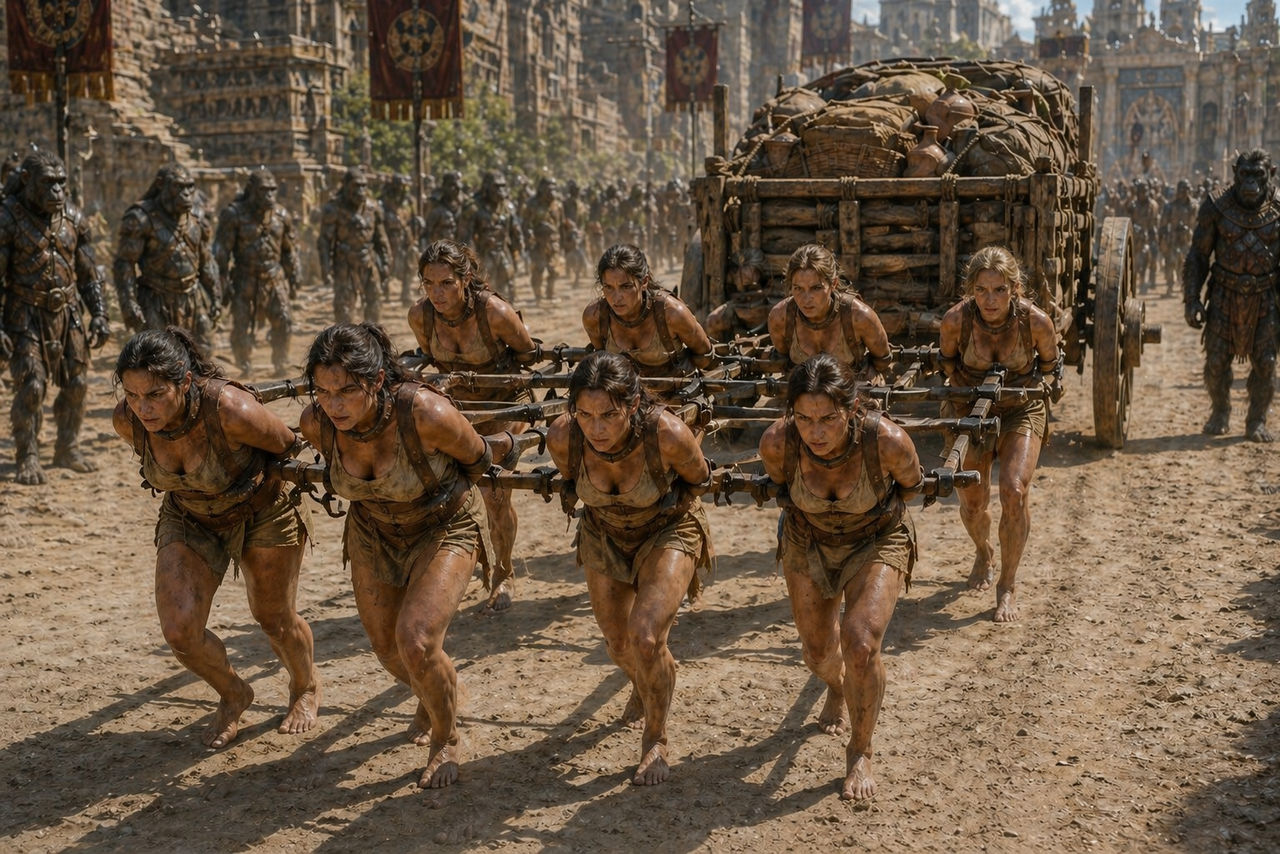
Cart Beast TeamsKeep the Line Tight
You don’t watch the cart. You don’t watch the load. You watch the line.
Eight beasts means eight chances for failure. One slips, the whole frame twists. One hesitates, the weight shifts, and suddenly you’re dragging more dead weight than cargo. That’s how teams break—slowly at first, then all at once. So you keep them even. Shoulders level. Steps matched. No drifting.
A heavy load like this isn’t about strength. Any one of them could pull less and still move it. What matters is that they pull together. You beat that into them early—same pace, same lean, same breath if you can get it. When they lock in, the cart rolls smooth. Feels lighter than it should.
This team’s close. Not perfect—second row right side lags half a step when they start—but they recover quick. That’s what you want. Not beasts that never fail. Beasts that correct before you have to.
tanuno
Well-known member
[warriorwomanmari] Tamed huntress for sale
In the bustling market city of Gor, whispers follow the silent big breasted huntress wherever she is led. Once feared in the wild northern forests, she now stands blindfolded beside the weathered post, her fierce spirit restrained but not broken. Her dark hair moves with the warm medieval breeze, and the steel collar around her throat marks her fate to every passing merchant and warrior. Though captured and displayed for sale, the woman carries herself with stubborn dignity, as if the untamed wilderness still lives behind the crimson silk covering her eyes.

Tamed huntress for saleIn the bustling market city of Gor, whispers follow the silent big breasted huntress wherever she is led. Once feared in the wild northern forests, she now stands blindfolded beside the weathered post, her fierce spirit restrained but not broken. Her dark hair moves with the warm medieval breeze, and the steel collar around her throat marks her fate to every passing merchant and warrior. Though captured and displayed for sale, the woman carries herself with stubborn dignity, as if the untamed wilderness still lives behind the crimson silk covering her eyes.
tanuno
Well-known member
[warriorwomanmari] The captured panther in Gor

The captured panther in GorThe canopy of the jungle filtered the sunlight into shafts of gold, dappling the undergrowth where she crouched. Her name was Shaya, though none but her sisters in the forest knew it. Among them, she was called Panther. Swift, fierce and untamed.
Her bowstring was taut as she tracked a small tarsk through the ferns, but a whisper of movement behind her made her freeze. Her instincts screamed. Too late.
The net snapped over her like a curtain of coiled steel, weighted and barbed. She twisted, thrashed, but the net was thrown by a skilled hand. Within seconds, her limbs were tangled, her bow yanked away. A shadow loomed above her.
“You fight like a panther,” came the low voice of a man. “But you’re caged now.”
Shaya snarled, showing teeth. “You’ll lose that hand if you touch me.”
But he wasn’t afraid. He was large, dressed in weather-worn leathers and carrying a capture bow across his back. A slaver. She knew the type. Cruel, calculating, experienced in breaking women like her.
He crouched beside her, pulling a length of braided cord from his belt. “You’re far from your tribe, girl. And you’ve just been caught.” His voice was not mocking. It was calm, patient. Dangerous.
It took only moments before her wrists were bound tightly behind her back. Her ankles were hobbled with rope. She was a jungle cat turned helpless prey. The leash came next, a thick leather strap snapped onto a rope collar he fitted around her neck. Her growl died into a sharp intake of breath at the finality of it.
“You wear it well,” he said, and with a tug, dragged her from the net and began to lead her.
Shaya stumbled, snarling, thrashing with every step, but he handled her with practiced ease, never speaking again. The jungle swallowed their trail.
Hours passed before the thick trees gave way to crumbling stone; a ruin, long abandoned. He dragged her into the shadowed interior, where cracked pillars stood like old sentinels.
Using ropes he tied her wrists above her head to a ring in the ceiling. She hung there, breathing hard, sweat and dirt painting her bare limbs
The slaver stepped back, admiring his work. “You’re fierce,” he said, circling her.
He finally stepped in front of her, slipped his hand under her chin, and forced her to look at him.
"Panther," he growled, his voice low and commanding,
"your body isn't yours anymore. And there's a part of it that's especially mine."
He leaned forward, his large hands sliding to her ample breasts.
With firm, possessive strokes, he massaged her full, soft breasts, not gently, but with a raw hunger that made her breathing quicken.
"These," he said, rolling her nipples between his thumb and forefinger,
"are mine. My toys."
The panther moaned softly, her body moving instinctively against his touch, but the slaver held her steady, pushing her back slightly so that her breasts offered themselves even more.
The treatment was painful but had also excited her, she had become horny
When he released her she went down on her knees.
He felt her fiery tongue moving up between his legs, which excited them both greatly and next they made love wildly
Her bowstring was taut as she tracked a small tarsk through the ferns, but a whisper of movement behind her made her freeze. Her instincts screamed. Too late.
The net snapped over her like a curtain of coiled steel, weighted and barbed. She twisted, thrashed, but the net was thrown by a skilled hand. Within seconds, her limbs were tangled, her bow yanked away. A shadow loomed above her.
“You fight like a panther,” came the low voice of a man. “But you’re caged now.”
Shaya snarled, showing teeth. “You’ll lose that hand if you touch me.”
But he wasn’t afraid. He was large, dressed in weather-worn leathers and carrying a capture bow across his back. A slaver. She knew the type. Cruel, calculating, experienced in breaking women like her.
He crouched beside her, pulling a length of braided cord from his belt. “You’re far from your tribe, girl. And you’ve just been caught.” His voice was not mocking. It was calm, patient. Dangerous.
It took only moments before her wrists were bound tightly behind her back. Her ankles were hobbled with rope. She was a jungle cat turned helpless prey. The leash came next, a thick leather strap snapped onto a rope collar he fitted around her neck. Her growl died into a sharp intake of breath at the finality of it.
“You wear it well,” he said, and with a tug, dragged her from the net and began to lead her.
Shaya stumbled, snarling, thrashing with every step, but he handled her with practiced ease, never speaking again. The jungle swallowed their trail.
Hours passed before the thick trees gave way to crumbling stone; a ruin, long abandoned. He dragged her into the shadowed interior, where cracked pillars stood like old sentinels.
Using ropes he tied her wrists above her head to a ring in the ceiling. She hung there, breathing hard, sweat and dirt painting her bare limbs
The slaver stepped back, admiring his work. “You’re fierce,” he said, circling her.
He finally stepped in front of her, slipped his hand under her chin, and forced her to look at him.
"Panther," he growled, his voice low and commanding,
"your body isn't yours anymore. And there's a part of it that's especially mine."
He leaned forward, his large hands sliding to her ample breasts.
With firm, possessive strokes, he massaged her full, soft breasts, not gently, but with a raw hunger that made her breathing quicken.
"These," he said, rolling her nipples between his thumb and forefinger,
"are mine. My toys."
The panther moaned softly, her body moving instinctively against his touch, but the slaver held her steady, pushing her back slightly so that her breasts offered themselves even more.
The treatment was painful but had also excited her, she had become horny
When he released her she went down on her knees.
He felt her fiery tongue moving up between his legs, which excited them both greatly and next they made love wildly
tanuno
Well-known member
[warriorwomanmari] Waiting in the court room
The empty Gorean courtroom echoed with silence. A woman with long black hair stood alone before the high bench, her wrists secured in steel cuffs. Dust drifted through narrow beams of afternoon light, turning the still air golden. She listened to the faint creak of old wood and wondered whether judgment had already been passed or forgotten entirely. No magistrates arrived. No witnesses spoke. Beyond the tall doors, distant city sounds faded into nothing. Raising her chin, she faced the vacant chamber with steady resolve. Whatever fate awaited her, fear would not be the final voice heard today.

Waiting in the court roomThe empty Gorean courtroom echoed with silence. A woman with long black hair stood alone before the high bench, her wrists secured in steel cuffs. Dust drifted through narrow beams of afternoon light, turning the still air golden. She listened to the faint creak of old wood and wondered whether judgment had already been passed or forgotten entirely. No magistrates arrived. No witnesses spoke. Beyond the tall doors, distant city sounds faded into nothing. Raising her chin, she faced the vacant chamber with steady resolve. Whatever fate awaited her, fear would not be the final voice heard today.
tanuno
Well-known member
[warriorwomanmari] Slavery in the World of Gor

Slavery in the World of GorThe Gor series by John Norman, beginning with Tarnsman of Gor (1966), presents an intricate and controversial universe that blends science fiction, philosophy, and erotic fantasy. Among the most prominent and debated aspects of Gor is the institution of slavery, particularly female slavery, which plays a central role in the series’ social and cultural framework. The depiction of slaves in Gor goes beyond a simple narrative device; it becomes a lens through which Norman explores ideas about power, nature, gender roles, and freedom.
In the world of Gor, slavery is not only legal but normalized and deeply woven into society. Both men and women can be enslaved, though female slavery is by far the most emphasized and erotically charged in the narrative. Slaves, especially women, are trained in obedience, sensuality, and service, and their identity becomes completely subsumed by their owners’ will. They are often referred to not by name, but by their status, “kajira” (female slave) or “kajirus” (male slave) and even their clothing and mannerisms are strictly regulated.
John Norman constructs slavery on Gor as a reflection of what he argues are natural hierarchies. His controversial philosophical stance suggests that certain power dynamics, particularly male dominance and female submission, are rooted in biology and nature. Within this framework, slavery is not necessarily seen as cruel or unjust; rather, it is portrayed as a fulfillment of supposed natural desires. Norman presents many female characters who, after being enslaved, come to accept or even embrace their status, often describing feelings of liberation through submission.
This concept is encapsulated in the recurring theme of the “true woman” who, in Norman’s view, finds authentic expression through total surrender. The Gorean slave is depicted not as a degraded being but as someone who has found her place and identity through serving a master. This depiction, while appealing to some readers as a fantasy of surrender or control, has drawn sharp criticism from feminist scholars and readers who view it as reinforcing misogynistic and patriarchal ideals.
Importantly, the Gorean institution of slavery is governed by strict rules and codes. A slave must be obedient, pleasing, and aesthetically maintained. Infractions can result in punishment, including whipping, branding, or worse, depending on the master's discretion. Yet slaves are also considered valuable property and are often cared for and protected, though always as possessions. Masters are expected to be strong, decisive, and honorable, though there is no denying the imbalance of power at the heart of the dynamic.
Interestingly, the emotional dimensions of slavery in Gor add complexity to the narrative. Masters and slaves sometimes develop deep, even romantic, attachments. However, the fundamental power imbalance remains, and any expression of love or affection is conditioned by ownership and control. The slave may love her master, but she still exists primarily to serve and please him.
Despite its fantastical and controversial elements, the Gorean depiction of slavery has struck a chord with some readers, especially within BDSM subcultures. The intense focus on rituals of dominance and submission, control and surrender, has inspired real-world roleplay and online communities attempting to replicate the “Gorean lifestyle.” However, these appropriations often strip away the wider narrative and cultural context of the books, simplifying complex (and often problematic) philosophical underpinnings into stylized behavior.
From a critical perspective, the portrayal of slavery in Gor has been both reviled and defended. Critics argue that it romanticizes coercion and perpetuates harmful gender stereotypes, particularly in its depictions of women’s supposed inherent desire to submit. Supporters claim that Norman’s work explores profound truths about human psychology and desire, using a fictional setting to question the assumptions of modern egalitarian societies.
One of the key philosophical undercurrents in the series is the question of freedom. In Gor, Norman suggests that the modern ideal of freedom, particularly sexual and emotional autonomy, is often illusory. Many characters in the series find deeper meaning in submission, duty, and clearly defined roles. The slaves of Gor are used as instruments in this philosophical critique, becoming the ultimate symbols of surrender to a greater natural order, however skewed or idealized that order may be.
In conclusion, the portrayal of slaves in Gor is a deeply controversial but undeniably central element of John Norman’s fictional universe. It serves not only as a narrative feature but as a vessel for exploring complex and polarizing ideas about nature, power, and identity. Whether seen as a disturbing relic of misogynistic fantasy or a provocative philosophical experiment, the slaves of Gor have carved a lasting, and highly debated, place in speculative fiction. Readers are left to wrestle with the implications: Is Gor a cautionary tale, a fantasy playground, or a serious philosophical treatise masked in pulp storytelling? Perhaps it is all three.
In the world of Gor, slavery is not only legal but normalized and deeply woven into society. Both men and women can be enslaved, though female slavery is by far the most emphasized and erotically charged in the narrative. Slaves, especially women, are trained in obedience, sensuality, and service, and their identity becomes completely subsumed by their owners’ will. They are often referred to not by name, but by their status, “kajira” (female slave) or “kajirus” (male slave) and even their clothing and mannerisms are strictly regulated.
John Norman constructs slavery on Gor as a reflection of what he argues are natural hierarchies. His controversial philosophical stance suggests that certain power dynamics, particularly male dominance and female submission, are rooted in biology and nature. Within this framework, slavery is not necessarily seen as cruel or unjust; rather, it is portrayed as a fulfillment of supposed natural desires. Norman presents many female characters who, after being enslaved, come to accept or even embrace their status, often describing feelings of liberation through submission.
This concept is encapsulated in the recurring theme of the “true woman” who, in Norman’s view, finds authentic expression through total surrender. The Gorean slave is depicted not as a degraded being but as someone who has found her place and identity through serving a master. This depiction, while appealing to some readers as a fantasy of surrender or control, has drawn sharp criticism from feminist scholars and readers who view it as reinforcing misogynistic and patriarchal ideals.
Importantly, the Gorean institution of slavery is governed by strict rules and codes. A slave must be obedient, pleasing, and aesthetically maintained. Infractions can result in punishment, including whipping, branding, or worse, depending on the master's discretion. Yet slaves are also considered valuable property and are often cared for and protected, though always as possessions. Masters are expected to be strong, decisive, and honorable, though there is no denying the imbalance of power at the heart of the dynamic.
Interestingly, the emotional dimensions of slavery in Gor add complexity to the narrative. Masters and slaves sometimes develop deep, even romantic, attachments. However, the fundamental power imbalance remains, and any expression of love or affection is conditioned by ownership and control. The slave may love her master, but she still exists primarily to serve and please him.
Despite its fantastical and controversial elements, the Gorean depiction of slavery has struck a chord with some readers, especially within BDSM subcultures. The intense focus on rituals of dominance and submission, control and surrender, has inspired real-world roleplay and online communities attempting to replicate the “Gorean lifestyle.” However, these appropriations often strip away the wider narrative and cultural context of the books, simplifying complex (and often problematic) philosophical underpinnings into stylized behavior.
From a critical perspective, the portrayal of slavery in Gor has been both reviled and defended. Critics argue that it romanticizes coercion and perpetuates harmful gender stereotypes, particularly in its depictions of women’s supposed inherent desire to submit. Supporters claim that Norman’s work explores profound truths about human psychology and desire, using a fictional setting to question the assumptions of modern egalitarian societies.
One of the key philosophical undercurrents in the series is the question of freedom. In Gor, Norman suggests that the modern ideal of freedom, particularly sexual and emotional autonomy, is often illusory. Many characters in the series find deeper meaning in submission, duty, and clearly defined roles. The slaves of Gor are used as instruments in this philosophical critique, becoming the ultimate symbols of surrender to a greater natural order, however skewed or idealized that order may be.
In conclusion, the portrayal of slaves in Gor is a deeply controversial but undeniably central element of John Norman’s fictional universe. It serves not only as a narrative feature but as a vessel for exploring complex and polarizing ideas about nature, power, and identity. Whether seen as a disturbing relic of misogynistic fantasy or a provocative philosophical experiment, the slaves of Gor have carved a lasting, and highly debated, place in speculative fiction. Readers are left to wrestle with the implications: Is Gor a cautionary tale, a fantasy playground, or a serious philosophical treatise masked in pulp storytelling? Perhaps it is all three.
tanuno
Well-known member
[warriorwomanmari] Hard labor on Gor
Hard labor on Gor, the fictional world created by John Norman, is depicted as a brutal and unforgiving aspect of its rigid, hierarchical society. Much of the physical work is carried out by slaves, particularly those captured in raids or reduced to servitude through conquest. These individuals are forced into demanding roles such as mining, farming, construction, and transportation, often under harsh environmental conditions. The labor is not only physically exhausting but also psychologically dehumanizing, as slaves are treated as property with little regard for their well-being.
The structure of Gor’s society normalizes this system, embedding it into everyday life and reinforcing power dynamics between masters and slaves. Hard labor becomes a visible symbol of dominance and control, with productivity valued over human dignity. Punishments for disobedience or inefficiency are severe, ensuring compliance through fear.
At the same time, the portrayal of labor on Gor raises questions about freedom, autonomy, and morality. While some narratives frame the system as culturally accepted within that world, modern readers often interpret it as a critique, or at least a reflection, of historical systems of forced labor. Ultimately, hard labor on Gor underscores the extremes of inequality and the consequences of a society built on absolute power.

Hard labor on GorHard labor on Gor, the fictional world created by John Norman, is depicted as a brutal and unforgiving aspect of its rigid, hierarchical society. Much of the physical work is carried out by slaves, particularly those captured in raids or reduced to servitude through conquest. These individuals are forced into demanding roles such as mining, farming, construction, and transportation, often under harsh environmental conditions. The labor is not only physically exhausting but also psychologically dehumanizing, as slaves are treated as property with little regard for their well-being.
The structure of Gor’s society normalizes this system, embedding it into everyday life and reinforcing power dynamics between masters and slaves. Hard labor becomes a visible symbol of dominance and control, with productivity valued over human dignity. Punishments for disobedience or inefficiency are severe, ensuring compliance through fear.
At the same time, the portrayal of labor on Gor raises questions about freedom, autonomy, and morality. While some narratives frame the system as culturally accepted within that world, modern readers often interpret it as a critique, or at least a reflection, of historical systems of forced labor. Ultimately, hard labor on Gor underscores the extremes of inequality and the consequences of a society built on absolute power.
tanuno
Well-known member
[warriorwomanmari] Whipping of the kajira in Gor
Excellent slaves are seldom beaten, for there is little, if any, reason to do so. To be sure, such a girl, particularly a love slave, occasionally desires to feel the stroke of the lash, wanting to feel pain at the hands of a beloved master, wanting to be whipped by him because she loves him, in this way symbolizing to herself her relationship to him, that of slave to master, her acceptance of that relationship, and her rejoicing in it.

Whipping of the kajira in GorExcellent slaves are seldom beaten, for there is little, if any, reason to do so. To be sure, such a girl, particularly a love slave, occasionally desires to feel the stroke of the lash, wanting to feel pain at the hands of a beloved master, wanting to be whipped by him because she loves him, in this way symbolizing to herself her relationship to him, that of slave to master, her acceptance of that relationship, and her rejoicing in it.
Magicians of Gor Book 25 Page 124
tanuno
Well-known member
[warriorwomanmari] The Labor of Female Slaves on Gor
In John Norman’s Gor novels, female slaves are often portrayed performing demanding physical and domestic labor. Their tasks can include cooking, cleaning, serving households, carrying water, and working in markets or fields. Some scenes describe them harnessed to simple carts, pulling goods or supplies through city streets or rural roads. Such depictions emphasize their complete subjugation within the fictional Gorean society, where status and power are rigidly defined. The labor assigned to them highlights themes of hierarchy, ownership, and control, illustrating how the series imagines social order and discipline in everyday life on the planet Gor in stark narrative terms.

The Labor of Female Slaves on GorIn John Norman’s Gor novels, female slaves are often portrayed performing demanding physical and domestic labor. Their tasks can include cooking, cleaning, serving households, carrying water, and working in markets or fields. Some scenes describe them harnessed to simple carts, pulling goods or supplies through city streets or rural roads. Such depictions emphasize their complete subjugation within the fictional Gorean society, where status and power are rigidly defined. The labor assigned to them highlights themes of hierarchy, ownership, and control, illustrating how the series imagines social order and discipline in everyday life on the planet Gor in stark narrative terms.
tanuno
Well-known member
[warriorwomanmari] From second life Gor to a kajira on Earth
In Second Life Gor, becoming a kajira was a role shaped by scripts, rules, and mutual understanding. The silks, collars, and rituals were symbols inside a virtual world where one could log out and return unchanged. On Earth, however, the meaning transformed. What once was performance became discipline, and fantasy gave way to responsibility.
The transition from Gor to reality was not about imitation but adaptation. The kajira on Earth did not live in cities of stone or under warrior codes, yet she carried the mindset with her. Obedience became intention instead of obligation. Service was no longer scripted but chosen, expressed through everyday acts, attention, reliability, and awareness of another’s needs.
Freedom took on a different definition. While the kajira relinquished certain controls, she gained structure and clarity. The noise of endless choice softened. The rituals that once existed on a screen evolved into habits that grounded her in real time and real consequence. Trust replaced mechanics; consent replaced role-play rules.
From Second Life Gor to Earth, the identity matured. No longer an avatar bound by lore, the kajira became a person who consciously embraced service as part of who she was. The collar was no longer virtual, it was internal, carried in discipline, loyalty, and purpose.
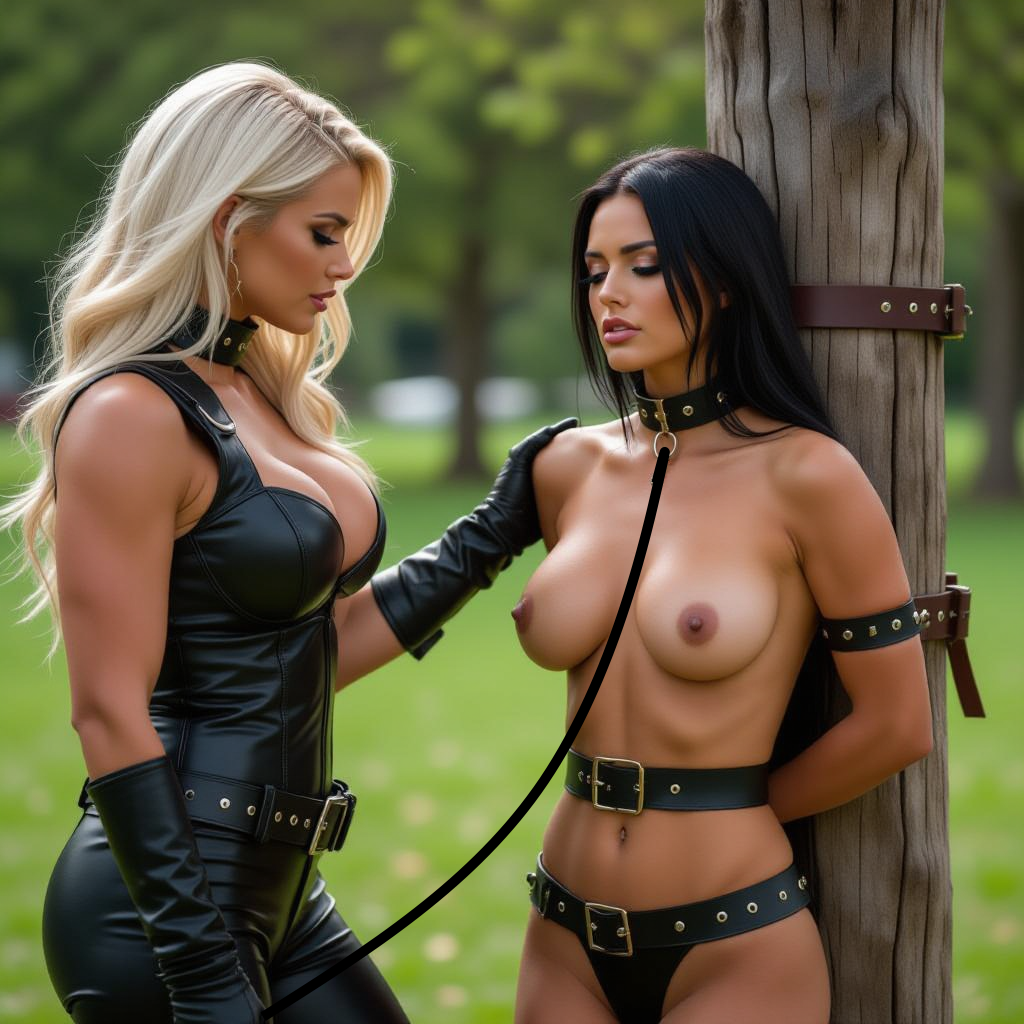
From second life Gor to a kajira on EarthIn Second Life Gor, becoming a kajira was a role shaped by scripts, rules, and mutual understanding. The silks, collars, and rituals were symbols inside a virtual world where one could log out and return unchanged. On Earth, however, the meaning transformed. What once was performance became discipline, and fantasy gave way to responsibility.
The transition from Gor to reality was not about imitation but adaptation. The kajira on Earth did not live in cities of stone or under warrior codes, yet she carried the mindset with her. Obedience became intention instead of obligation. Service was no longer scripted but chosen, expressed through everyday acts, attention, reliability, and awareness of another’s needs.
Freedom took on a different definition. While the kajira relinquished certain controls, she gained structure and clarity. The noise of endless choice softened. The rituals that once existed on a screen evolved into habits that grounded her in real time and real consequence. Trust replaced mechanics; consent replaced role-play rules.
From Second Life Gor to Earth, the identity matured. No longer an avatar bound by lore, the kajira became a person who consciously embraced service as part of who she was. The collar was no longer virtual, it was internal, carried in discipline, loyalty, and purpose.